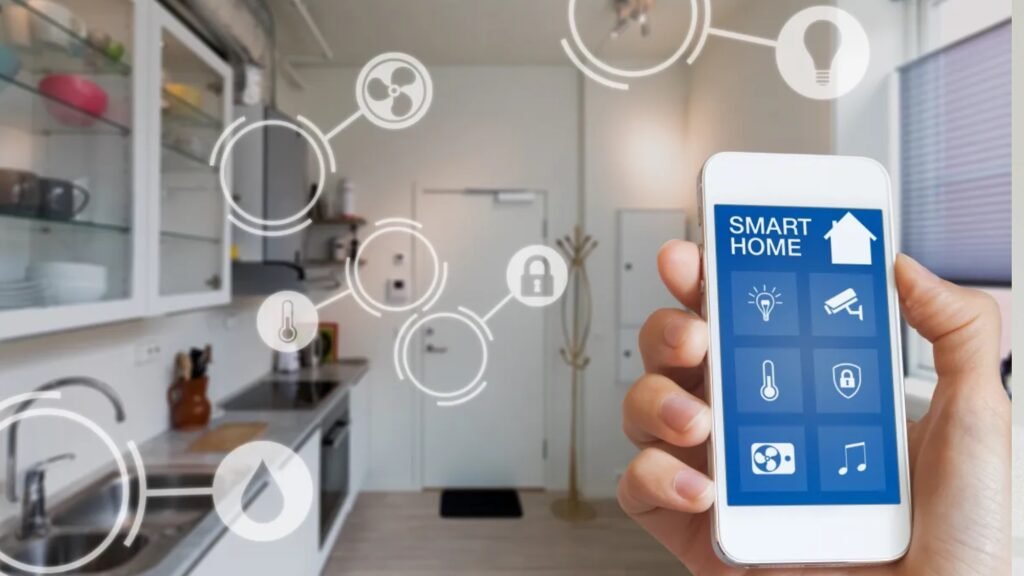

Smart home technology is changing the way people manage their houses. Today, homeowners can use connected devices to control lighting, adjust room temperatures, monitor security, and manage everyday tasks with greater convenience.
You do not need to build an expensive smart home to enjoy these benefits. Many affordable devices are easy to install and can make daily routines more comfortable.
If you are planning to upgrade your home, choosing the right smart devices can help you create a more convenient and organized living space.
In this guide, we will explore some useful smart home devices that can make everyday life easier.
1. Smart Speakers for Voice Control
Smart speakers are among the most popular devices for modern homes. They allow users to perform simple tasks through voice commands.
Depending on the model, you can use a smart speaker to play music, check the weather, set reminders, create shopping lists, and control compatible smart devices.
Some popular options include Amazon Echo and Google Nest speakers.
For example, you can ask your smart speaker to turn off compatible lights without getting up from your chair. This feature can be particularly useful when your hands are busy.
Before purchasing one, check its language support, privacy settings, and compatibility with your other devices.
2. Smart Lighting Systems
Smart lighting makes it easier to control the lights in different rooms. Instead of using traditional switches every time, you can manage compatible bulbs through a mobile application or voice assistant.
Some smart bulbs allow users to:
- Adjust brightness levels.
- Change lighting colors.
- Create automatic schedules.
- Turn lights on and off remotely.
- Set different lighting moods.
For example, you can schedule bedroom lights to turn off automatically at bedtime.
Smart lighting is useful for people who want better control over their home environment. However, check whether the bulbs require a separate hub or work directly through Wi-Fi.
3. Smart Thermostats for Temperature Control
A smart thermostat helps homeowners manage indoor temperatures more conveniently.
Traditional thermostats usually require manual adjustments, while smart models can offer mobile controls, scheduling, and energy usage information.
Some devices can learn household routines and suggest temperature settings based on usage patterns.
For example, you can reduce heating when nobody is at home and adjust it before returning.
Smart thermostats are especially useful in houses with compatible central heating or cooling systems.
Always check compatibility before purchasing because not every thermostat works with every HVAC system.
4. Smart Security Cameras
Home security is an important concern for homeowners. Smart security cameras provide another way to monitor entrances, gardens, garages, and other areas around a property.
Many modern cameras offer features such as:
- Live video monitoring.
- Motion detection alerts.
- Night vision.
- Two-way audio.
- Cloud or local video storage.
Some models allow homeowners to view camera footage through a smartphone application.
When choosing a security camera, consider video quality, storage costs, weather resistance, and privacy features.
You should also use strong passwords and enable two-factor authentication whenever available.
5. Smart Door Locks
Smart door locks provide alternative ways to secure and access your home.
Depending on the model, they may support PIN codes, smartphone applications, fingerprints, or traditional keys.
Some systems also allow homeowners to provide temporary access codes to visitors or trusted service providers.
For example, you may create a temporary code for a family member who needs to enter your house while you are away.
Before installing a smart lock, check your existing door design and lock compatibility. It is also sensible to understand how the lock works if its battery becomes empty or the internet connection is unavailable.
6. Smart Plugs for Everyday Appliances
Smart plugs are simple devices that can make ordinary electrical appliances easier to control.
You connect a compatible appliance to the smart plug and manage its power through an application or supported voice assistant.
Common uses include controlling lamps, fans, and selected small household appliances.
Some smart plugs also provide electricity usage information, helping users understand how much power certain devices consume.
However, always check the plug’s maximum electrical rating. High-power appliances should only be connected when the smart plug is specifically designed for that load.
7. Smart Robot Vacuum Cleaners
Cleaning floors can take considerable time, especially in busy households.
Robot vacuum cleaners offer an automated way to maintain everyday floor cleanliness. Many models can move around rooms, detect obstacles, and return to their charging stations.
More advanced models may include room mapping, scheduled cleaning, and mobile application controls.
They are particularly useful for removing everyday dust, crumbs, and pet hair from suitable floor surfaces.
Before buying one, consider battery life, cleaning performance, replacement parts, and whether it works effectively with your floor type.
8. Smart Water Leak Sensors
Water leaks can cause expensive damage if they remain unnoticed for a long time.
Smart water leak sensors help homeowners identify possible leaks near washing machines, sinks, water heaters, and other areas where water damage may occur.
Some sensors send smartphone notifications when they detect moisture.
Certain advanced systems can also connect with automatic water shut-off valves.
These devices are useful for homeowners who want an additional layer of protection, particularly when their property is empty for extended periods.
9. Smart Smoke and Carbon Monoxide Detectors
Safety devices should be an important part of every home.
Smart smoke detectors can provide alerts when smoke is detected. Some models also send notifications to connected smartphones.
Carbon monoxide detectors are equally important in properties with fuel-burning appliances because carbon monoxide is a dangerous gas that cannot be seen or smelled.
When purchasing these devices, check the required safety certifications, installation instructions, maintenance requirements, and battery replacement schedule.
Smart features should never replace proper installation or regular safety testing.
10. Choosing the Right Smart Home Devices
Not every smart device is necessary for every household. The best choices depend on your budget, home size, daily routine, and personal requirements.
Before purchasing a product, consider the following points:
- Check whether the device works with your existing smartphone.
- Compare different models and product reviews.
- Understand whether a monthly subscription is required.
- Review privacy and security settings.
- Check installation requirements.
- Consider electricity consumption and maintenance costs.
It is also helpful to choose devices that work with the same smart home ecosystem. This can make managing multiple products easier.
Final Thoughts
Smart home devices can make everyday household activities more convenient, organized, and manageable.
From smart speakers and lighting systems to security cameras and water leak sensors, there are many options available for different budgets and needs.
You do not have to purchase everything at once. Start with one or two useful devices and gradually expand your smart home setup.
By choosing compatible products and paying attention to privacy and security, you can enjoy the advantages of modern home technology without making unnecessary purchases.