
Electricity costs are an important concern for many homeowners. Heating, cooling, lighting, and household appliances can use a significant amount of energy throughout the year. Finding ways to manage electricity consumption can help make a home more efficient and comfortable.
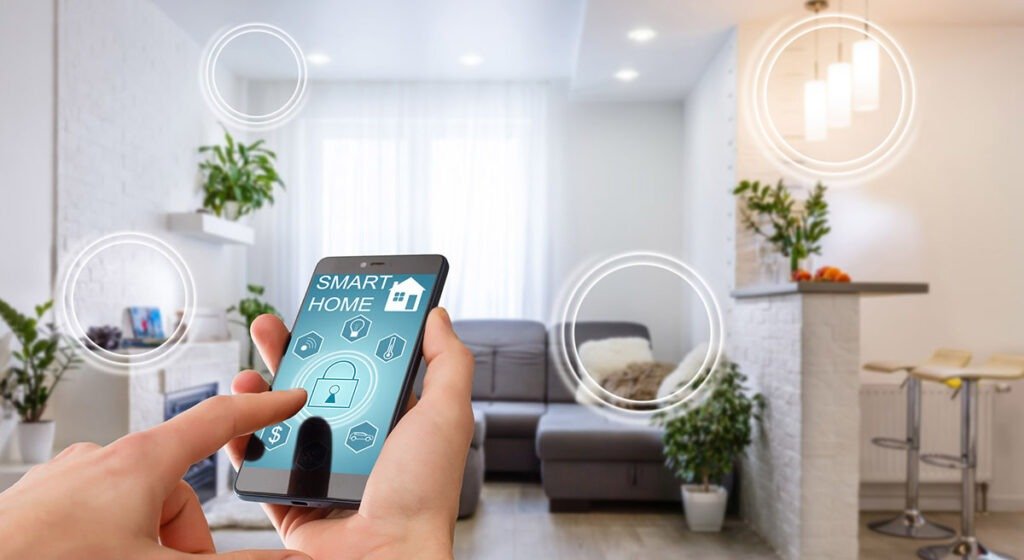
Modern smart home technology offers several devices that help homeowners monitor and control energy usage. These products can automate everyday tasks, reduce unnecessary electricity consumption, and provide useful information about household energy habits.
You do not need to install an expensive smart home system to get started. Even a few affordable devices can help improve the way electricity is used around your home.
In this guide, we will explore smart home energy-saving devices and explain how they can help reduce unnecessary energy use.
1. Smart Thermostats
Smart thermostats are useful devices for controlling heating and cooling systems. They allow homeowners to adjust indoor temperatures through a smartphone application or automated schedules.
For example, you can set a lower heating temperature when nobody is home and create a comfortable schedule for the hours when your family returns.
Some models also provide energy reports that help you understand how frequently your heating or cooling system operates.
Before purchasing a smart thermostat, check whether it supports your existing HVAC system. Proper installation and suitable temperature settings are important for getting the most benefit.
2. Smart LED Light Bulbs
Lighting is another area where smart home technology can improve energy management.
Smart LED bulbs use energy-efficient lighting technology and offer features such as scheduling, dimming, and remote control.
You can set lights to switch off automatically at certain times or control them through a smartphone application.
Some models also support voice assistants, allowing users to operate lights with simple voice commands.
Choose bulbs with the correct brightness, fitting, and compatibility for your existing light fixtures.
3. Smart Power Strips
Many electronic devices continue using small amounts of electricity when they are switched off but remain connected to power. This is sometimes called standby power.
Smart power strips can help manage connected devices by switching selected outlets on or off according to schedules or activity.
They may be useful for entertainment systems, computer accessories, and other compatible electronics.
Before buying one, check its electrical rating and make sure it is suitable for the devices you plan to connect.
Avoid using power strips with appliances that require continuous power or have special electrical requirements.
4. Smart Plugs
Smart plugs are simple devices that allow users to control compatible appliances through a smartphone.
You can create schedules to switch devices off when they are not needed. Some models also provide basic electricity usage monitoring.
For example, a smart plug may help manage a desk lamp or another suitable household device.
However, not every appliance should be connected to a smart plug. Always check the manufacturer’s power limits and compatibility instructions.
5. Home Energy Monitoring Systems
Energy monitoring devices help homeowners understand how much electricity their property uses.
Depending on the system, a monitor may provide information about total household consumption or the electricity use of individual appliances.
Some systems display real-time readings through a smartphone application. This information can help identify appliances that consume more electricity than expected.
Before purchasing an energy monitor, check whether it works with your electrical panel and local power system.
Electrical panel installation should be completed by a qualified professional.
6. Smart Ceiling Fans
Smart ceiling fans can improve indoor comfort while providing convenient control options.
Some models support remote operation, scheduling, and integration with smart home platforms.
Using a ceiling fan can help improve air circulation and make a room feel more comfortable. In suitable conditions, this may allow homeowners to use air conditioning less frequently.
However, fans do not cool an empty room in the same way as an air conditioner. Switch them off when nobody is using the space.
Choose a fan with an appropriate size and energy rating for your room.
7. Smart Water Heating Controls
Water heating can contribute to household energy consumption, especially in homes that use electric water heaters.
Some compatible smart controls allow users to schedule heating periods or monitor temperature settings.
For example, a suitable system may help avoid heating water unnecessarily during periods when it is not needed.
Compatibility is especially important because water heaters have specific electrical and safety requirements.
Consult the appliance manufacturer or a qualified professional before installing any smart water heating control.
8. Smart Window and Temperature Sensors
Indoor temperature can change depending on sunlight, outdoor weather, and room insulation.
Smart temperature sensors can monitor conditions in different areas of the home. Some systems use this information to help compatible thermostats manage heating and cooling more effectively.
Window and door sensors may also help identify when an opening is left open while heating or cooling is operating.
These devices are particularly useful in homes with multiple rooms or changing daily routines.
Check which smart home platforms and thermostats support the sensors before buying them.
9. Smart Home Energy Apps
Many smart home devices include mobile applications that provide information about electricity usage.
These applications may show daily consumption, device activity, schedules, and energy reports.
Reviewing this information regularly can help you identify patterns. For example, you may discover that certain lights or appliances are being used longer than necessary.
Some electricity providers also offer their own energy-monitoring applications, depending on your location and meter type.
Choose applications that provide clear information and have suitable privacy and security features.
10. Choose Devices That Match Your Home
Not every smart energy-saving device is necessary for every household.
A small apartment may benefit more from smart LED bulbs and a few smart plugs, while a larger property may need a compatible thermostat and an energy monitoring system.
Before buying anything, consider your electricity usage, existing appliances, internet connection, and budget.
Check product compatibility and read customer reviews. Also consider whether the device requires a subscription or additional equipment.
Starting with one useful device is often better than purchasing several products without a clear plan.
Simple Habits That Improve Energy Savings
Smart devices can help manage electricity, but everyday habits are equally important.
Turn off lights in empty rooms, unplug chargers when they are not needed, clean appliance filters, and use energy-efficient settings where available.
Keep heating and cooling systems maintained, and improve insulation where practical.
Combining these habits with suitable smart home technology can help reduce unnecessary electricity consumption.
Final Thoughts
Smart home energy-saving devices can make electricity management easier and more convenient. Smart thermostats, LED bulbs, power strips, smart plugs, and energy monitors are useful options for different types of homes.
The best approach is to identify where your household uses the most electricity and choose devices that address those needs.
With proper setup and responsible use, smart home technology can help reduce wasted energy, improve comfort, and make everyday home management simpler.