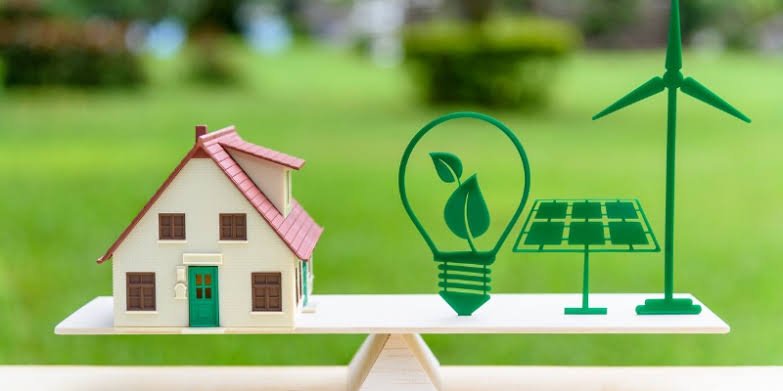

Making your home more energy efficient does not always require expensive renovations or major changes. Small improvements in daily habits, lighting, appliances, and insulation can help reduce electricity consumption and make your living space more comfortable.
Many homeowners in the USA and UK are looking for practical ways to lower energy bills. The good news is that several affordable solutions can make a noticeable difference over time.
In this guide, we will explore simple home energy-saving ideas that are easy to understand and suitable for everyday households.
1. Replace Traditional Bulbs with LED Lighting
Lighting is one of the easiest areas to improve when trying to save electricity at home. Traditional incandescent bulbs consume more electricity and produce additional heat.
LED bulbs use significantly less energy and generally last much longer. They are available in different brightness levels and colors, making them suitable for bedrooms, kitchens, living rooms, and outdoor spaces.
Consider replacing frequently used traditional bulbs with LED alternatives. Although the initial cost may be slightly higher, their longer lifespan and lower energy consumption can make them a practical investment.
2. Improve Home Insulation
Poor insulation allows heat to escape during winter and enter during summer. This makes heating and cooling systems work harder than necessary.
You can improve insulation by checking windows, doors, ceilings, and walls for unwanted air leaks.
Some simple improvements include:
- Using weatherstripping around doors.
- Sealing small gaps around windows.
- Adding suitable insulation to the attic.
- Using insulated curtains during colder months.
- Checking door frames for damaged seals.
These improvements can help maintain indoor temperatures and reduce unnecessary energy use.
3. Choose Energy-Efficient Home Appliances
Household appliances can account for a considerable portion of electricity consumption. Older refrigerators, washing machines, dryers, and dishwashers may use more energy than newer efficient models.
Before purchasing a new appliance, compare its energy label, estimated annual electricity consumption, size, and operating cost.
For homeowners in the USA, ENERGY STAR certified products can help identify qualifying energy-efficient appliances. In the UK, energy labels provide useful information about appliance efficiency.
You do not need to replace every appliance immediately. Start with equipment that is old, frequently used, or particularly inefficient.
4. Install a Smart Thermostat
A smart thermostat can help manage heating and cooling more efficiently. It allows homeowners to adjust temperature settings according to their daily routines.
For example, you can schedule lower heating settings when everyone is away from home and comfortable temperatures before returning.
Some smart thermostats also provide energy usage information through mobile applications.
Before buying one, check whether it is compatible with your existing heating and cooling system. Installation requirements can vary between homes.
5. Reduce Standby Electricity Consumption
Many electronic devices continue using small amounts of electricity even when they are not actively being used. This is commonly called standby power.
Televisions, gaming consoles, chargers, computers, and other household electronics may contribute to unnecessary electricity consumption.
A few useful habits include:
- Switching off devices when they are not needed.
- Unplugging unused chargers.
- Using suitable smart power strips.
- Avoiding unnecessary overnight standby operation.
These small actions are easy to follow and can help reduce wasted electricity.
6. Use Natural Light During the Day
Artificial lighting is not always necessary during daylight hours. Opening curtains and blinds can allow natural sunlight to brighten your rooms.
Try arranging workspaces near windows where possible. Light-colored walls and clean windows can also help distribute natural light throughout the room.
During warmer months, use suitable curtains or blinds to reduce unwanted heat from direct sunlight.
This simple approach can improve indoor comfort while reducing the need for artificial lighting.
7. Maintain Heating and Cooling Systems
Heating and cooling equipment works more efficiently when it receives regular maintenance.
Dirty air filters can restrict airflow and make some systems work harder. Replacing or cleaning filters according to the manufacturer’s instructions is an important maintenance task.
You should also:
- Keep vents free from furniture and other obstructions.
- Check for unusual noises.
- Schedule professional servicing when required.
- Follow recommended maintenance instructions.
- Make sure outdoor equipment has enough airflow.
Proper maintenance can help improve performance and reduce avoidable energy waste.
8. Save Water with Efficient Fixtures
Water efficiency and energy efficiency are closely connected, particularly in homes that use electricity or gas to heat water.
Installing suitable low-flow showerheads and fixing leaking taps can reduce unnecessary water consumption.
You can also make small changes to your daily routine, such as taking shorter showers and washing clothes with full loads when appropriate.
These habits can help reduce water use and the energy needed to heat water.
9. Consider Solar Energy for Your Home
Solar panels are another option for homeowners interested in reducing their dependence on traditional electricity supplies.
A residential solar system converts sunlight into electricity that can power household appliances and other electrical equipment.
However, solar installation requires careful planning. Roof condition, available sunlight, installation costs, local regulations, and electricity rates should all be considered.
Compare different installation options and request detailed cost estimates before making a decision.
Solar energy may not be suitable for every property, but it can be worth researching for homes with appropriate roof space and sunlight exposure.
10. Build Energy-Saving Habits
Technology can help reduce energy consumption, but everyday habits are equally important.
Simple actions can make your home more efficient without requiring a large budget.
For example, switch off unnecessary lights, avoid excessive heating or cooling, use appliances responsibly, and check your electricity usage regularly.
You can also review your energy bills to identify months when consumption increases. This information may help you understand which household activities need improvement.
Final Thoughts
Making your home more energy efficient is a gradual process. You do not need to purchase expensive equipment or renovate every room to begin saving energy.
Start with affordable improvements such as LED lighting, better insulation, efficient appliance settings, and regular maintenance. Once these changes become part of your routine, you can consider larger upgrades such as smart thermostats or solar panels.
With practical planning and consistent habits, homeowners can create a more comfortable living environment while reducing unnecessary energy consumption.