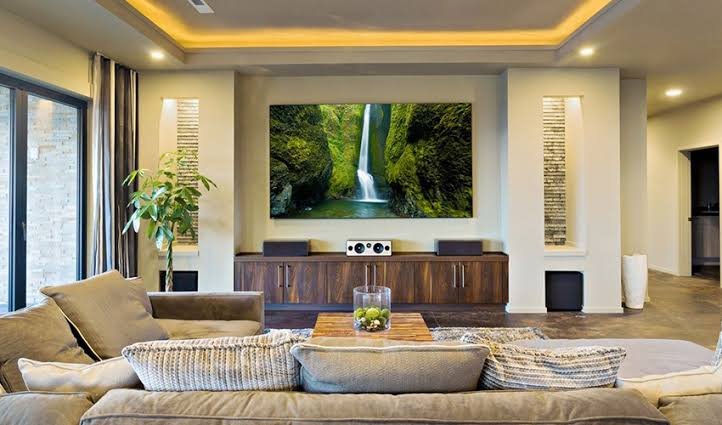

Smart lighting is becoming an important part of modern home design. It allows homeowners to control lights more conveniently while creating comfortable and attractive indoor spaces. With smart bulbs, wireless switches, and automatic lighting systems, it is possible to improve the way different rooms are illuminated.
You do not need an expensive home automation system to enjoy smart lighting. Many affordable products can be installed in bedrooms, kitchens, living rooms, and outdoor spaces.
If you are planning to upgrade your home, these smart lighting ideas can help you create a more practical and comfortable environment.
1. Install Smart LED Bulbs
Smart LED bulbs are one of the easiest ways to introduce modern lighting into your home. They can connect to compatible mobile applications or smart home systems.
Depending on the model, you can adjust brightness, change colors, and create lighting schedules.
For example, you can use bright white lighting while working and softer warm lighting during the evening.
Before purchasing smart bulbs, check their connection requirements. Some models use Wi-Fi, while others require Bluetooth or a separate smart home hub.
2. Create Comfortable Bedroom Lighting
Bedroom lighting should support relaxation and everyday activities. Very bright lighting may not always be suitable when preparing for sleep.
Smart bulbs allow you to adjust brightness according to your needs.
You can create different settings for reading, getting dressed, and relaxing. Some systems also support automatic schedules that gradually reduce brightness in the evening.
Bedside smart lamps are another useful option because they allow convenient lighting control without getting out of bed.
3. Use Smart Lighting in the Kitchen
The kitchen requires practical lighting because people use this space for cooking, cleaning, and preparing food.
Smart lighting can help improve visibility in different kitchen areas.
Consider installing suitable lighting under kitchen cabinets to illuminate countertops. Ceiling lights can provide general brightness, while additional lights can focus on specific work areas.
You can also create schedules for kitchen lighting or use compatible voice controls.
Always select lighting products designed for the installation location and keep electrical equipment away from water.
4. Add Motion Sensor Lights
Motion sensor lighting can make everyday movement around the home more convenient.
These lights turn on automatically when movement is detected within their sensing area.
They are particularly useful for hallways, staircases, garages, storage rooms, and outdoor entrances.
For example, a motion sensor light near the front door can illuminate the entrance when someone approaches.
Before installation, check the sensor’s detection range, sensitivity, and available lighting settings.
5. Choose Smart Lighting for Living Rooms
The living room is often used for entertainment, reading, relaxing, and spending time with family.
A smart lighting system can make this space more flexible.
You can create different lighting scenes for watching movies, reading books, or entertaining guests.
Some smart lighting products also support color adjustments and synchronization with compatible entertainment systems.
For a simple setup, start with smart bulbs and gradually add compatible lamps or light strips.
6. Install Smart Outdoor Lighting
Outdoor lighting can improve visibility around your property and make outdoor spaces more welcoming.
Smart outdoor lights can be installed near entrances, pathways, patios, and gardens.
Some products allow users to schedule operating times or control lights remotely.
When choosing outdoor lighting, check the weather-resistance rating and ensure that the electrical installation is suitable for outdoor use.
Motion-activated outdoor lights can also provide convenient illumination around entrances and garages.
7. Use LED Light Strips for Decoration
LED light strips are a popular choice for modern home decoration.
They can be installed behind televisions, underneath cabinets, around shelves, or along suitable furniture edges.
Some smart LED strips offer adjustable brightness and multiple colors.
They can help create a softer atmosphere without relying entirely on traditional ceiling lights.
Before installation, measure the required area and check the strip’s power requirements. Use products designed for the intended indoor or outdoor location.
8. Create Automatic Lighting Schedules
One useful feature of smart lighting is automatic scheduling.
You can program lights to turn on or off at particular times. This reduces the need to operate every switch manually.
For example, hallway lights can be scheduled for evening hours, while bedroom lights can automatically turn off at bedtime.
Schedules are especially useful when household members follow regular daily routines.
Remember to adjust schedules when your routine changes so lights do not remain on unnecessarily.
9. Control Lights with Voice Assistants
Many smart lighting products work with compatible voice assistants.
This allows homeowners to control certain lights using simple spoken commands.
For example, you may ask a compatible assistant to turn off the bedroom lights or reduce the brightness in the living room.
Voice control can be particularly useful when your hands are occupied.
Check product compatibility before buying because not every smart bulb supports every voice assistant.
10. Choose the Right Smart Lighting System
Selecting the right lighting products requires some planning.
Before purchasing, consider your home size, budget, internet connection, and existing electrical setup.
Keep these points in mind:
- Check whether bulbs fit your existing fixtures.
- Compare brightness and color temperature.
- Review Wi-Fi or hub requirements.
- Check compatibility with your smart home system.
- Read installation and safety instructions.
- Consider electricity consumption and product lifespan.
It is better to begin with a few essential lights rather than purchasing many products that may not work together.
Final Thoughts
Smart lighting can improve the comfort, appearance, and convenience of modern homes. From smart LED bulbs and motion sensors to decorative light strips and automatic schedules, there are many options for different household needs.
Start with the rooms where better lighting would make the biggest difference. Choose compatible products, review their safety requirements, and expand your system gradually.
With thoughtful planning, smart lighting can become a useful part of your everyday home environment.