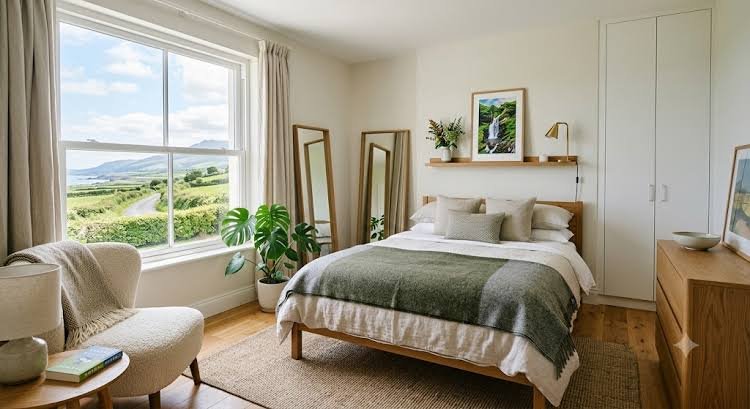

Keeping your home cool during summer can be challenging, especially when outdoor temperatures remain high for several days. Air conditioners provide comfort, but running them continuously can increase electricity bills.
Fortunately, there are several practical ways to maintain a comfortable indoor temperature without depending entirely on air conditioning.
From using better curtains to improving ventilation, small changes can make a noticeable difference in how your home feels during hot weather.
In this guide, we will explore simple and affordable ways to keep your home cool during summer.
1. Keep Curtains and Blinds Closed During Peak Sunlight
Direct sunlight can increase indoor temperatures, particularly in rooms with large windows.
One simple solution is to close curtains or blinds during the hottest parts of the day. This helps reduce the amount of sunlight entering your rooms.
Light-colored curtains can be useful because they reflect more sunlight than many dark materials.
For windows that receive strong afternoon sunlight, consider installing suitable blackout or thermal curtains.
You can open the curtains again during cooler hours when natural ventilation is helpful.
2. Use Ceiling Fans More Effectively
Ceiling fans help circulate air and create a cooling sensation on the skin.
During summer, make sure your ceiling fan rotates in the direction recommended for warm-weather operation by the manufacturer.
Fans do not actually lower the temperature of a room, but they can make people feel more comfortable.
Remember to switch fans off when leaving a room because running them in empty spaces provides little practical benefit.
Portable fans can also help improve airflow in smaller rooms.
3. Improve Natural Ventilation
Proper ventilation can help remove warm indoor air and bring cooler outdoor air inside when weather conditions allow.
Open suitable windows during early mornings or evenings if outdoor temperatures are lower than indoor temperatures.
You can also open windows on opposite sides of your home to encourage cross-ventilation.
However, keep windows closed when outdoor air is hotter or when pollution, dust, or high humidity makes ventilation less comfortable.
This simple habit can help improve indoor air movement without running cooling equipment continuously.
4. Reduce Heat from Household Appliances
Many household appliances produce heat while operating.
Ovens, dryers, dishwashers, and some electronic devices can increase indoor temperatures, especially in smaller homes.
During hot weather, consider using appliances during cooler parts of the day.
Other helpful ideas include:
- Use a microwave instead of an oven when suitable.
- Avoid running unnecessary electronic equipment.
- Use outdoor cooking areas when practical.
- Switch off unused lights and appliances.
- Allow hot appliances to cool safely after use.
These small adjustments can reduce unwanted heat inside your home.
5. Install Energy-Efficient Window Coverings
Windows allow sunlight and heat to enter a home. Choosing suitable window coverings can help reduce this problem.
Thermal curtains, cellular shades, and reflective blinds are popular options for improving indoor comfort.
Some window films can also reduce solar heat entering through glass.
Before purchasing window treatments, consider the direction your windows face and how much sunlight they receive throughout the day.
A suitable covering can help make bedrooms and living areas more comfortable during summer.
6. Maintain Your Air Conditioning System
If you use an air conditioner, regular maintenance is important for reliable cooling.
Dirty filters can restrict airflow and reduce system performance.
Clean or replace filters according to the manufacturer’s instructions. Also keep indoor vents clear and make sure outdoor units have sufficient airflow.
Additional maintenance steps include:
- Check thermostat settings.
- Keep doors and windows closed while cooling.
- Inspect visible drainage lines where appropriate.
- Schedule professional servicing when required.
A properly maintained system can provide more consistent cooling and help avoid unnecessary operating problems.
7. Add Indoor Plants Carefully
Indoor plants can make living spaces look more attractive and comfortable.
Plants release moisture through a natural process called transpiration. However, they should not be considered a replacement for proper cooling or ventilation.
Choose plants that suit your indoor lighting conditions and available space.
Avoid overcrowding rooms with plants because excessive watering and poor ventilation may encourage moisture problems.
A few well-placed plants can improve the appearance of your home while creating a more pleasant indoor environment.
8. Choose Breathable Bedding and Fabrics
Sleeping comfortably during summer can be difficult when bedrooms become warm.
Heavy blankets and thick bedding may trap heat and make sleeping uncomfortable.
Consider lightweight cotton or other breathable fabrics for bedsheets and pillowcases.
You can also use lighter curtains and remove unnecessary heavy decorative fabrics from bedrooms during warmer months.
Keeping bedrooms tidy and allowing suitable airflow can make nighttime conditions more comfortable.
9. Seal Unwanted Air Leaks
Gaps around windows and doors can affect indoor temperature control.
During summer, hot outdoor air may enter through damaged seals and make cooling systems work harder.
Inspect door frames, window edges, and other visible openings.
Weatherstripping and suitable sealants can help close small gaps.
For larger problems, consider professional assistance to identify suitable repairs.
10. Consider a Smart Thermostat
A smart thermostat can help manage cooling schedules according to your daily routine.
Some models allow users to adjust temperature settings through a mobile application.
You may schedule cooling before returning home and use less cooling when the property is empty.
However, smart thermostat compatibility depends on your existing heating and cooling equipment.
Compare different models and check installation requirements before purchasing.
11. Reduce Heat Around Your Home
The outdoor environment can also affect indoor temperatures.
Trees and suitable shading structures can reduce direct sunlight reaching exterior walls and windows.
If you have a garden or outdoor space, consider adding appropriate shade near windows that receive strong afternoon sunlight.
Avoid blocking ventilation openings or creating moisture problems around the building.
For larger outdoor improvements, choose plants and structures suitable for your local climate.
Final Thoughts
Keeping your home cool during summer does not always require expensive upgrades. Simple habits such as closing curtains during peak sunlight, using fans correctly, improving ventilation, and maintaining air conditioning systems can make a difference.
Start with affordable changes and identify which rooms become hottest during the day.
With careful planning, suitable home improvements, and responsible energy use, you can create a more comfortable indoor environment throughout the summer season.