
Home insulation plays an important role in maintaining a comfortable indoor temperature throughout the year. A properly insulated house can stay warmer during winter and cooler during summer. However, many homeowners experience insulation problems that make their heating and cooling systems work harder.
Poor insulation can lead to uncomfortable rooms, higher energy bills, and unwanted drafts. Fortunately, several common insulation issues can be identified and improved without completely renovating a property.
In this guide, we will discuss common home insulation problems and practical ways to fix them.
1. Poor Attic Insulation
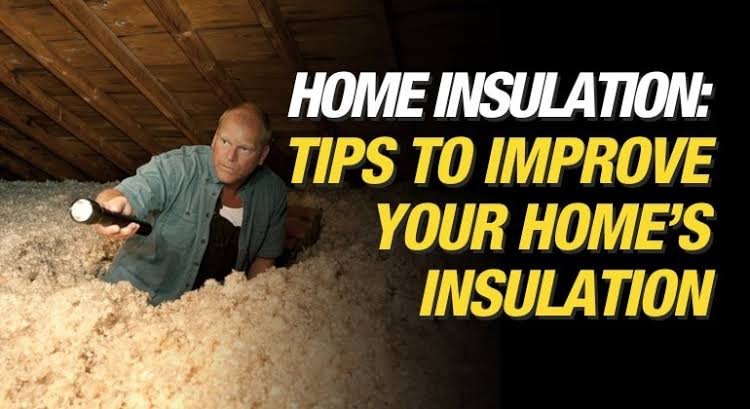
The attic is one of the most important areas to check when investigating home insulation problems. Heat can escape through the roof during colder months if the attic does not have suitable insulation.
During summer, excessive heat can also enter through an inadequately insulated roof.
Homeowners should inspect their attic for missing, damaged, or uneven insulation. If the material looks compressed or has visible gaps, it may not provide the expected performance.
Adding suitable insulation can help improve indoor temperature control. However, the correct material and thickness depend on your climate, roof structure, and local building recommendations.
2. Air Leaks Around Windows
Windows are common locations for unwanted air movement. Small gaps around window frames can allow cold air to enter during winter and warm air to enter during summer.
These leaks may make certain rooms uncomfortable even when the heating or cooling system is running.
You can check window edges for damaged seals, cracks, and visible gaps.
Some practical solutions include:
- Replacing damaged weatherstripping.
- Applying suitable window sealant.
- Repairing loose window frames.
- Using insulated curtains.
- Checking the condition of window fittings.
For older windows, professional repairs or replacement may provide better long-term results.
3. Gaps Around Doors
Doors that do not close properly can allow outside air to enter the house. This problem is especially common with older exterior doors.
A noticeable draft near the bottom of a door may indicate that the existing seal needs attention.
Installing a suitable door sweep can help reduce unwanted airflow. Weatherstripping around the frame may also improve the seal.
Before buying replacement materials, measure the door carefully and select products designed for its specific design.
These small improvements can make entrances more comfortable and reduce unnecessary heating or cooling.
4. Damaged Wall Insulation
Wall insulation is designed to reduce heat transfer between indoor and outdoor spaces. However, older homes may have damaged, missing, or insufficient insulation inside their walls.
Signs of possible wall insulation problems include unusually cold interior walls, inconsistent room temperatures, and persistent drafts.
A professional energy assessment can help identify whether the walls need additional insulation.
Depending on the construction, solutions may include cavity wall insulation, suitable internal insulation, or exterior insulation systems.
Avoid drilling into walls or adding insulation without understanding the electrical wiring, plumbing, moisture conditions, and building structure.
5. Moisture and Dampness Problems
Moisture can damage certain insulation materials and reduce their effectiveness.
Water may enter through roof leaks, damaged plumbing, poor ventilation, or condensation.
Wet insulation should not simply be covered with new material. The underlying moisture problem needs to be identified and repaired first.
Homeowners should regularly inspect:
- Roof areas for water damage.
- Window corners for condensation.
- Bathroom walls for damp patches.
- Basements for signs of water entry.
- Plumbing areas for leaks.
If you notice mold growth or extensive dampness, consider professional inspection and appropriate remediation.
6. Poor Insulation Around Pipes
Water pipes located in unheated areas can lose heat during colder weather. In very cold conditions, exposed pipes may also be at risk of freezing.
Suitable pipe insulation can help reduce heat loss and protect pipes in areas such as basements, garages, and utility spaces.
Choose insulation products designed for plumbing applications and follow the manufacturer’s installation instructions.
Pay particular attention to exposed pipe sections near exterior walls and other cold areas.
7. Inadequate Floor Insulation
Cold floors can make rooms uncomfortable, especially in houses with suspended timber floors or unheated spaces underneath.
Insulating suitable floor areas may help reduce heat transfer and improve indoor comfort.
Carpets and rugs can also provide an additional layer of comfort, although they do not replace proper structural insulation.
Before installing floor insulation, check for moisture problems, ventilation requirements, and any building regulations that apply to your property.
8. Blocked or Incorrectly Installed Insulation
Insulation needs to be installed correctly to perform as intended.
Compressed materials, uncovered gaps, and poorly fitted sections can reduce insulation performance.
Another common issue occurs when insulation blocks ventilation openings in roof spaces. This can create moisture and condensation problems.
Homeowners should check whether insulation is positioned correctly and whether ventilation pathways remain clear.
If you are unsure about installation requirements, contact a qualified insulation professional.
9. How to Identify Insulation Problems
You do not always need expensive equipment to notice possible insulation issues.
Start by observing how different rooms behave during hot and cold weather.
Look for signs such as:
- One room being much colder than others.
- Noticeable drafts around windows and doors.
- Heating systems running frequently.
- Unusual temperature changes between floors.
- Damp patches or condensation.
- Very hot attic spaces during summer.
These signs do not always prove an insulation problem, but they can help identify areas that need further inspection.
A professional home energy assessment can provide more accurate information about insulation performance.
10. When Should You Hire an Insulation Professional?
Some minor improvements can be completed by homeowners, but larger insulation projects require professional knowledge.
Consider hiring an experienced contractor when dealing with extensive wall insulation, roof repairs, moisture damage, or difficult-to-access spaces.
Before choosing a contractor, request written estimates, check qualifications, and compare the materials being recommended.
It is also important to understand ventilation requirements and local building regulations before starting work.
Final Thoughts
Home insulation problems can affect comfort, energy consumption, and the condition of a property.
Issues such as poor attic insulation, damaged window seals, door gaps, moisture, and incorrectly installed materials should be addressed before they become more serious.
Start by inspecting the areas where drafts or temperature changes are most noticeable. Simple repairs may improve comfort, while larger problems may require professional attention.
With proper inspection and suitable insulation improvements, homeowners can create a more comfortable indoor environment throughout the year.