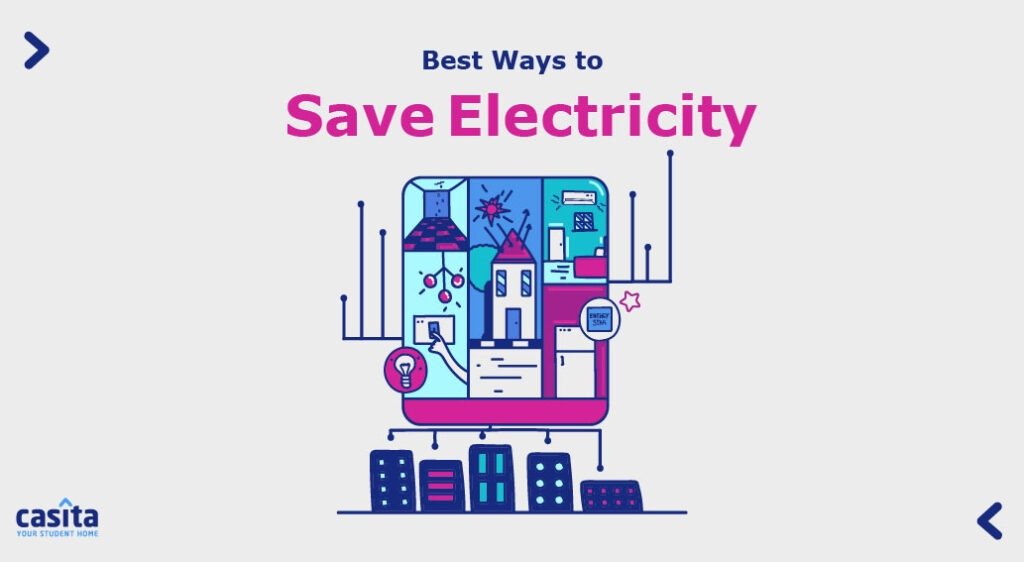

Managing electricity costs can be challenging, especially when you live in a small home with several electrical appliances. Heating, cooling, lighting, cooking, and entertainment devices can all contribute to monthly energy expenses.
The good news is that reducing electricity bills does not always require expensive equipment or major home improvements. Simple changes in daily habits and a few practical upgrades can help homeowners use electricity more efficiently.
Whether you live in an apartment, a small house, or a rented property, these electricity-saving tips can help you manage energy consumption without making everyday life uncomfortable.
1. Switch to Energy-Efficient LED Bulbs
Lighting is an easy place to start when trying to reduce electricity bills. Traditional incandescent bulbs consume more electricity than modern LED alternatives.
LED bulbs use less energy and generally last much longer. They are available in different brightness levels, making them suitable for bedrooms, kitchens, bathrooms, and living spaces.
You do not need to replace every bulb immediately. Start with lights that remain switched on for several hours each day.
This simple upgrade can help reduce lighting-related electricity consumption over time.
2. Turn Off Appliances When Not in Use
Many homeowners leave electronic devices switched on even when they are not needed.
Televisions, computers, gaming consoles, chargers, and other electronics may consume standby electricity while connected to power.
Developing a habit of switching off unused devices can help reduce unnecessary consumption.
Consider these simple practices:
- Turn off televisions when nobody is watching.
- Disconnect chargers after use.
- Switch off unnecessary lights.
- Shut down computers when finished.
- Use suitable power strips for multiple devices.
These habits are particularly useful in smaller homes where several electronic devices may operate in the same room.
3. Use Fans Alongside Air Conditioning
Air conditioning systems can consume considerable electricity, especially during hot weather.
A ceiling or portable fan can help circulate cool air around a room. This may allow you to use your air conditioner at a slightly higher temperature while maintaining comfort.
Make sure fans are used only when people are in the room because fans cool people rather than lowering the actual room temperature.
Regularly cleaning fan blades and keeping air vents unobstructed can also support better airflow.
4. Improve Window and Door Sealing
Small gaps around windows and doors can allow outside air to enter your home.
During summer, unwanted warm air can make indoor spaces harder to cool. During winter, heated air may escape through poorly sealed areas.
You can improve this situation with affordable materials such as weatherstripping and door seals.
Check the edges of windows and doors for visible gaps. Repair damaged seals and use suitable curtains to reduce heat transfer.
These improvements can make a small home more comfortable and reduce unnecessary heating or cooling.
5. Choose Energy-Efficient Appliances
Older appliances may consume more electricity than newer efficient models.
Refrigerators, washing machines, dryers, and dishwashers are among the household products worth checking.
Before purchasing a replacement, compare energy labels and estimated annual electricity consumption.
In the USA, ENERGY STAR labels help identify qualifying efficient products. In the UK, appliance energy labels provide information about efficiency ratings.
You should also consider the appliance’s size. A large appliance may use more electricity than necessary for a small household.
Replace old equipment when it makes financial sense rather than purchasing new appliances without considering the cost.
6. Use Washing Machines More Efficiently
Laundry is another area where small changes can help reduce household electricity consumption.
Try washing full but suitable loads instead of running the machine repeatedly with only a few clothes.
Whenever possible, use lower-temperature washing programs that are appropriate for your clothing and detergent.
Other helpful habits include:
- Avoid unnecessary extra wash cycles.
- Clean the washing machine filter regularly.
- Choose suitable energy-saving programs.
- Air-dry clothes when practical.
- Follow the manufacturer’s instructions.
These steps can help reduce electricity use while keeping clothes clean.
7. Reduce Refrigerator Energy Consumption
A refrigerator operates throughout the day, making it one of the most important appliances to manage efficiently.
Avoid placing it near ovens, direct sunlight, or other heat sources. Excessive surrounding heat can make cooling more difficult.
Keep the refrigerator door closed as much as possible and allow hot food to cool appropriately before storing it.
You should also clean the coils when recommended by the manufacturer and check that the door seals are working properly.
Setting the temperature according to manufacturer recommendations helps maintain safe food storage without unnecessary cooling.
8. Use Natural Light During Daytime
Small homes can often benefit from better use of natural sunlight.
Open curtains and blinds during daylight hours to reduce the need for artificial lighting.
Arrange desks and reading areas near windows where possible. Light-colored walls can also help distribute natural light throughout a room.
During hot weather, use blinds or curtains to control direct sunlight when rooms become too warm.
This approach can improve indoor comfort while reducing unnecessary lighting and cooling requirements.
9. Consider Smart Plugs and Energy Monitors
Smart plugs and electricity monitoring devices can help homeowners understand and manage energy consumption.
Some smart plugs allow users to schedule when connected devices receive power. Energy monitoring models can also display information about electricity usage.
For example, you can use a compatible smart plug to control a lamp or another suitable low-power appliance.
An energy monitor may help identify devices that consume more electricity than expected.
Always check electrical ratings and product compatibility before connecting appliances.
10. Track Your Monthly Electricity Usage
One of the easiest ways to understand electricity costs is to review your monthly bills.
Compare electricity consumption across different months instead of looking only at the total amount you have to pay.
Pay attention to periods when usage increases. This may help you identify whether air conditioning, heating, laundry, or other household activities are responsible.
You can also record your electricity meter readings regularly if your utility provider allows it.
Understanding your consumption makes it easier to decide which improvements are worth making.
11. Create a Simple Energy-Saving Routine
Saving electricity becomes easier when efficient habits are part of your daily routine.
For example, check unnecessary lights before leaving a room, switch off unused electronics, avoid excessive heating or cooling, and use appliances responsibly.
You can also assign a regular day each month to inspect appliance settings, clean filters, and check for damaged seals.
These small activities do not require expensive equipment but can help maintain an efficient household.
Final Thoughts
Reducing electricity bills in a small home is possible through practical improvements and consistent daily habits.
Start with simple changes such as using LED lighting, switching off unused electronics, improving window seals, and managing household appliances carefully.
You can gradually consider smart plugs, energy monitors, and more efficient appliances when your budget allows.
The most effective approach is to understand where your electricity is being used and focus on changes that make sense for your household.
With better planning and responsible energy use, you can create a comfortable home while avoiding unnecessary electricity consumption.