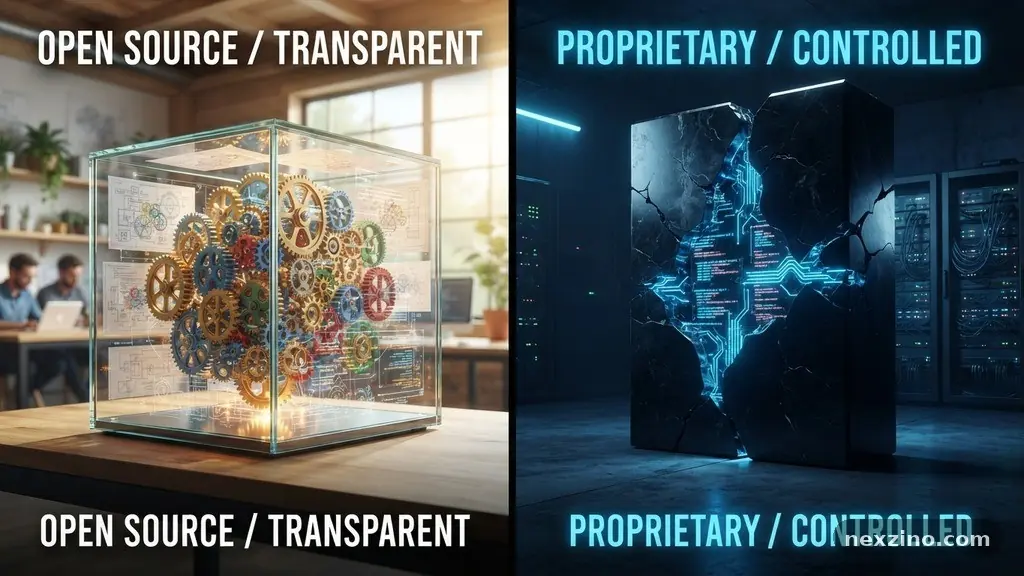
Understanding the difference between open-source software and proprietary software is essential for anyone involved in modern digital infrastructure. While both models aim to provide functional tools for users, their underlying philosophies, distribution rights, and maintenance approaches vary drastically. Whether you are a developer choosing a framework or a business leader selecting an enterprise platform, these distinctions impact your long-term flexibility and costs.
This article explores how these two paradigms shape our technological landscape, providing clarity on how they manage intellectual property and technical support. By examining the lifecycle and accessibility of each, you will gain a clearer perspective on how these choices influence your digital strategy and operational independence.
Defining the Core Architectural Divide
The primary distinction between these two models lies in the visibility of the source code. Open-source software provides the underlying instructions to the public, allowing anyone to inspect, modify, and enhance the program.
This transparency is the cornerstone of the collaborative development movement. Users are not merely consumers; they are often contributors who can fix bugs or add features as their needs evolve.
In contrast, proprietary software keeps its source code hidden as a trade secret. Only the original developers or the owning corporation have the rights to view or alter the core logic.
Users receive the application in a compiled binary code format, which is executable but unreadable to humans. This creates a clear boundary between the creator and the end-user, often formalized through restrictive licensing agreements.
This fundamental difference dictates the entire software development lifecycle. With open-source, the development is often community-driven, relying on peer review and decentralized contributions.
Proprietary projects follow a centralized roadmap dictated by internal product managers and stakeholders. Understanding this structural divide helps users anticipate how a piece of software will behave when they encounter a feature limitation or a critical security vulnerability.
Licensing Agreements and Legal Control
Licensing agreements serve as the legal framework that defines what a user can and cannot do with a program. Open-source projects typically utilize licenses like the GPL (General Public License), which mandates that any derivative works must also remain open. This ensures that the software stays free for the community, preventing a company from taking open code, modifying it, and then closing it off for profit.
Proprietary software relies on an EULA, or End-User License Agreement. These documents are legally binding contracts that strictly limit your rights to the software.
You are generally purchasing a license to use the product rather than owning the product itself. You cannot legally reverse-engineer, modify, or redistribute the code, as doing so would violate the intellectual property rights of the vendor.
The impact of these legal structures on long-term operations is profound. With proprietary systems, you are bound by the vendor’s terms, which can change over time.
If a vendor decides to discontinue a feature or raise their subscription costs, you have little recourse. Open-source licenses provide a degree of permanence, as the code remains available even if the original developers stop supporting the project.
Security Auditing and Vulnerability Management
The debate over which model is more secure has persisted for decades. Proponents of open-source argue that having thousands of eyes on the code makes it inherently more secure.
Because the source code is public, researchers can perform extensive security auditing to find and patch vulnerabilities before they are exploited. This rapid, collective response is a hallmark of many successful projects like the Linux kernel.
Proprietary vendors often rely on “security through obscurity.” They argue that by keeping the code hidden, malicious actors have a harder time finding weaknesses.
However, history has shown that determined hackers can reverse-engineer binary code to find flaws regardless of whether the source is public. When a proprietary vulnerability is discovered, users must wait for the vendor to release an official patch.
This creates a difference in dependency. With proprietary software, you are tethered to the vendor’s patch cycle.
If they are slow to respond or decide a product is no longer profitable, your systems remain at risk. In the open-source world, if the original maintainers are slow to react, the community can fork the project and issue their own security updates.
Vendor Lock-in and Operational Autonomy
Vendor lock-in is a significant concern for businesses relying on proprietary ecosystems. Once you integrate a specific proprietary tool into your workflow, migrating to a different solution can be prohibitively expensive.
The data formats are often proprietary, and the APIs may be designed to keep you within that specific vendor’s environment. This lack of portability is a deliberate business strategy for many large software providers.
Open-source software generally avoids this trap by using open standards and formats. Because you have access to the code and the data, you retain the ability to move your operations elsewhere if needed.
This autonomy is crucial for organizations that need to maintain control over their infrastructure for years or decades. You are not at the mercy of a single company’s roadmap or pricing strategy.
However, autonomy comes with a trade-off in responsibility. When you use proprietary software, you are paying for the convenience of a managed system.
When you use open-source, you assume the burden of software maintenance yourself. You must ensure that your team has the skills to manage updates, configuration, and integration, or you must hire external consultants to handle these tasks.
Comparing the Two Approaches
The following table highlights the key operational differences between these two models to help you identify which might suit your specific business or personal requirements:
| Feature | Open-Source Software | Proprietary Software |
|---|---|---|
| Source Code Access | Publicly available | Hidden/Trade secret |
| Customization | High (full access) | Limited (vendor-provided) |
| Support Model | Community or paid enterprise support | Dedicated vendor support |
| Cost Structure | Usually free (or support fees) | Licensing or SaaS subscription |
| Portability | High (open standards) | Low (vendor lock-in) |
Technical Support and Professional Services
Support is often the deciding factor for enterprises choosing between open-source and proprietary platforms. Proprietary software comes with a clear service-level agreement.
If something breaks, you call a support line or open a ticket with a dedicated team. You are paying for the peace of mind that comes with professional, guaranteed assistance.
Open-source support is more varied. For smaller projects, you might rely on forums, documentation, and the help of community volunteers.
For enterprise-grade open-source tools, many companies now offer commercial support subscriptions. These companies provide the same level of service as proprietary vendors, often including SLA guarantees, training, and custom development services.
Choosing between these options requires an honest assessment of your internal capabilities. If you have a strong engineering team, you may find that the community resources and the ability to fix your own issues are superior to waiting for a vendor. If you lack technical expertise, the “managed” nature of proprietary software might be worth the higher licensing costs.
The Role of SaaS in Modern Software
Software as a Service (SaaS) has further blurred the lines in the debate between open-source and proprietary. Many SaaS platforms are built on a foundation of open-source components, yet the service itself is proprietary and closed to the user. You are accessing the functionality over the internet, meaning you never see the code regardless of how it was built.
This shift has created a new category of “managed open-source.” In this scenario, a company hosts an open-source application for you, managing the maintenance and security in exchange for a subscription fee.
You get the benefits of open-source portability and transparency, combined with the convenience of proprietary-style support. It is a middle ground that many modern organizations prefer.
To understand how these evolving models integrate into broader industry standards, it is helpful to look at the work of bodies like the International Organization for Standardization. These institutions help define the protocols that allow different software systems to communicate. Whether you choose open-source or proprietary, adhering to these standards ensures your systems remain interoperable and scalable over time.
Frequently Asked Questions
Is open-source software always free to use?
While most open-source software is free to download and use, “free” refers to freedom of access rather than price. Many enterprise-grade open-source projects charge for professional support, advanced features, or cloud hosting services. You are paying for the service and the expertise, not for the underlying code itself.
Can I use open-source code in my own proprietary product?
This depends heavily on the specific license. Permissive licenses like MIT or Apache allow you to incorporate code into proprietary products with minimal restrictions. However, copyleft licenses like the GPL require that your entire product also be released as open-source if you distribute it, which could conflict with a proprietary business model.
Does proprietary software always perform better than open-source?
Performance is not determined by the licensing model but by the quality of the engineering. Many of the world’s fastest supercomputers and most popular websites run entirely on open-source software. Proprietary software often excels in user experience design and niche enterprise integrations, but it does not inherently possess a performance advantage.
What happens to my data if I use proprietary software and the company goes bankrupt?
This is a major risk with proprietary systems. If the vendor shuts down, you may lose access to your data or find yourself unable to run the software anymore. This is why many organizations prefer open-source or hybrid solutions where they have more control over the data formats and the ability to self-host the application.
Choosing Your Path Forward
The difference between open-source software and proprietary software is ultimately a choice between control and convenience. Open-source offers transparency, long-term flexibility, and the power to adapt tools to your specific needs.
Proprietary software provides a polished, managed experience that minimizes your internal maintenance requirements. Neither is universally superior; the right choice depends on your organization’s technical maturity and your tolerance for vendor dependency.
As you move forward, evaluate your projects based on their need for customization and longevity. If you prioritize autonomy and data ownership, explore the growing ecosystem of open-source tools.
If you need a quick, turn-key solution with dedicated support, proprietary options remain a practical choice. By understanding these fundamental differences, you are better equipped to make a decision that supports your goals today and remains sustainable for years to come.