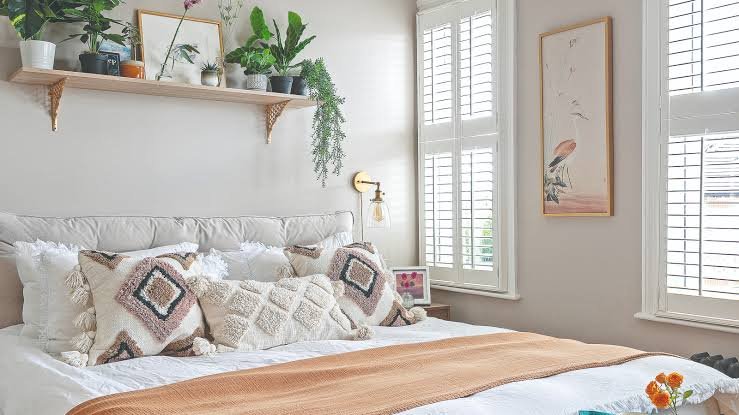

A small bedroom can become uncomfortable when furniture, clothes, and personal belongings take up too much space. Finding enough room for everyday items is a common challenge, especially in apartments and smaller homes.
However, a bedroom does not need to be large to feel comfortable and organized. With practical storage solutions and a few simple changes, you can make better use of the available space.
Organizing a small bedroom is not always about buying new furniture. Sometimes, removing unnecessary items, changing furniture positions, and using unused spaces can make a noticeable difference.
In this guide, you will discover useful small bedroom organization ideas that can help save space and create a cleaner environment.
1. Use Storage Space Under the Bed
The area under your bed is often wasted, even though it can provide valuable storage space.
You can use flat storage containers to keep seasonal clothes, extra bedsheets, blankets, and shoes. Choose containers with lids to protect belongings from dust.
If you are planning to buy a new bed, consider a model with built-in drawers or a lifting storage system.
Before storing anything, clean the area and make sure the containers can be accessed easily.
2. Choose Multi-Purpose Furniture
Multi-purpose furniture is a practical choice for smaller bedrooms.
For example, a storage ottoman can provide a place to sit while also keeping blankets or other items inside. A bed with drawers can reduce the need for an additional storage cabinet.
You can also choose a bedside table with shelves or drawers instead of a simple table.
Before buying furniture, measure your bedroom carefully. Large furniture can block walking space and make the room feel crowded.
3. Organize Your Wardrobe Properly
A crowded wardrobe can make a small bedroom difficult to manage.
Start by removing clothes you no longer wear. Separate everyday clothing, seasonal items, and special occasion outfits.
Use shelf dividers to keep folded clothes organized. Hanging organizers can provide extra room for smaller items such as scarves and accessories.
You can also use matching storage boxes for items that are not used regularly.
Keeping similar items together makes it easier to find what you need and prevents unnecessary clutter.
4. Install Wall-Mounted Shelves
Wall-mounted shelves can provide extra storage without taking up floor space.
You can use them for books, decorative items, small plants, or everyday accessories.
Place shelves where they are easy to reach and avoid installing them above areas where objects could fall onto someone.
Make sure the wall and mounting hardware are suitable for the weight of the items you plan to store.
Simple shelves can help keep desks and bedside tables clear.
5. Use the Space Behind the Door
The back of a bedroom door can provide useful storage space.
An over-the-door organizer can hold shoes, accessories, small bags, or other lightweight items.
You can also use suitable hooks for jackets, hats, and frequently used clothing.
Check that the organizer does not prevent the door from closing properly or damage the door surface.
This is a simple way to use an area that often remains empty.
6. Keep Your Bedside Area Simple
A crowded bedside table can make a small bedroom feel messy.
Keep only essential items nearby, such as a lamp, phone charger, alarm clock, or book.
Use a bedside table with a drawer to store small belongings out of sight.
If there is very little room beside your bed, consider a compact wall-mounted shelf as an alternative.
A simple bedside arrangement makes cleaning easier and creates a more relaxing environment.
7. Use Vertical Storage Solutions
When floor space is limited, think about using the height of your bedroom.
Tall shelving units, vertical organizers, and wall-mounted storage can help make better use of available space.
You can use higher shelves for seasonal items or belongings that you do not need every day.
Make sure tall furniture is stable and securely anchored when required, especially in homes with children or pets.
Avoid placing heavy items on high shelves where they may be difficult or unsafe to reach.
8. Choose Light Colors and Simple Decorations
The appearance of a bedroom can affect how spacious it feels.
Light colors such as white, cream, and soft grey can reflect more light and create a brighter atmosphere.
You do not need to replace all your furniture to change the appearance of the room. Simple bedding, curtains, and decorative accessories can help create a consistent look.
Avoid using too many large decorative objects because they can make a small bedroom feel crowded.
A clean and simple design can make the space more comfortable.
9. Organize Shoes and Accessories
Shoes and small accessories can quickly create clutter in a bedroom.
Use a compact shoe rack near the wardrobe or inside a suitable closet. Small drawer organizers can help separate watches, belts, jewelry, and other personal items.
For accessories that are used frequently, choose a storage location that is easy to access.
Keep only the items you regularly use in visible areas. Store seasonal or occasional belongings separately.
10. Improve Bedroom Lighting
Good lighting can make a small bedroom feel more open and comfortable.
Use suitable ceiling lighting for general visibility. Bedside lamps or wall-mounted lights can provide additional illumination without taking up much furniture space.
If your bedroom receives natural sunlight, avoid using heavy curtains that completely block the light during the day.
Choose energy-efficient bulbs with a comfortable brightness for reading and relaxing.
11. Create a Regular Cleaning Routine
Even a well-organized bedroom can become messy without regular maintenance.
Spend a few minutes each day putting clothes away, clearing surfaces, and returning belongings to their proper places.
Once a week, check drawers, shelves, and storage containers for unnecessary items.
Avoid keeping empty boxes, unused accessories, and damaged belongings that take up valuable space.
A routine helps maintain an organized bedroom without requiring a major cleaning session.
Common Bedroom Organization Mistakes
One common mistake is purchasing storage furniture before measuring the available space. This can make a small bedroom even more crowded.
Another mistake is keeping too many unnecessary belongings. Storage solutions are useful, but they cannot replace removing items that are no longer needed.
Avoid placing furniture in a way that blocks doors, windows, or walking paths.
Choose practical storage options that suit your daily routine instead of following every design trend.
Final Thoughts
Organizing a small bedroom becomes easier when you use available space carefully. Under-bed storage, multi-purpose furniture, wall shelves, wardrobe organizers, and simple decorations can help create a more comfortable environment.
You do not need to make every change at once. Start by removing unnecessary items and improving one storage area at a time.
With a little planning and regular maintenance, even a small bedroom can feel clean, spacious, and easy to manage.