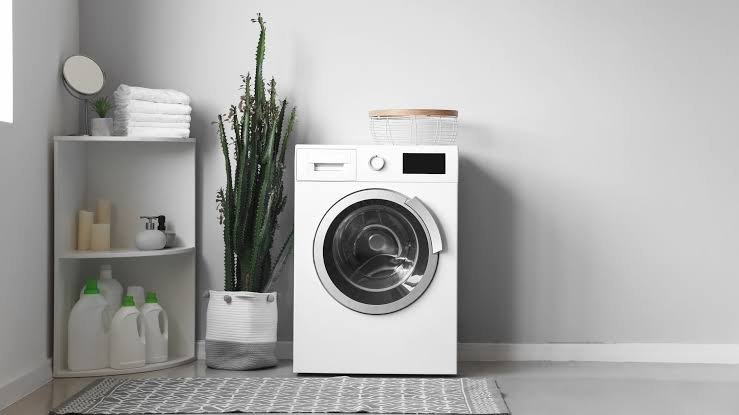

A washing machine is one of the most useful appliances in a modern home. It saves time, reduces physical effort, and makes laundry easier for families. However, like other household appliances, washing machines can develop problems over time.
Sometimes the machine may stop draining water, make unusual noises, fail to spin, or leave clothes wetter than expected. These problems can be frustrating, especially when you depend on your washing machine every day.
The good news is that some common washing machine problems have simple causes that homeowners can check safely. Understanding these issues can help you decide when basic maintenance is enough and when professional repair is necessary.
In this guide, we will discuss common washing machine problems and practical solutions.
1. Washing Machine Is Not Starting
One common problem is a washing machine that does not start when you press the power button.
There can be several reasons for this issue. The power cord may be loose, the electrical outlet may not be working, or the door may not be properly closed.
First, check whether the machine is connected to a working power outlet. Make sure the door is fully closed and the control panel is not showing an error message.
Some washing machines also have a child lock feature that prevents buttons from working. Check your user manual to learn how to disable it.
If the machine still does not start, avoid opening electrical components yourself. Contact a qualified technician.
2. Washing Machine Is Not Draining Water
If water remains inside the washing machine after a cycle, the drainage system may be blocked.
A clogged drain filter, blocked drain hose, or problem with the drain pump can prevent water from leaving the machine.
Start by checking the drain hose for visible bends or kinks. If your model has an accessible drain filter, clean it according to the manufacturer’s instructions.
Before opening the filter, switch off and unplug the machine. Prepare a shallow container and towels because water may spill out.
If cleaning the filter does not solve the problem, the drain pump may need professional inspection.
3. Washing Machine Is Making Loud Noises
Unusual sounds during a washing cycle can indicate that something is not working correctly.
A small object such as a coin, button, or metal item may be trapped inside the drum or filter. An unbalanced load can also cause banging sounds during spinning.
Stop the machine and check the laundry for heavy items that may be grouped on one side. Redistribute the clothes evenly and remove objects from pockets before washing.
Also make sure the machine is standing on a level floor. Uneven positioning can cause vibration and noise.
If loud grinding or knocking continues, stop using the machine and arrange a professional inspection.
4. Clothes Are Still Very Wet After Washing
When clothes come out unusually wet, the washing machine may not be completing its spin cycle properly.
One possible reason is an unbalanced load. Heavy blankets, towels, or a small number of bulky items can prevent the drum from spinning at full speed.
Try redistributing the clothes evenly and running the spin cycle again.
Also check whether the selected wash program uses a low spin speed. Some delicate clothing programs intentionally use slower spinning to protect fabrics.
If the machine repeatedly fails to spin, a technician may need to inspect the motor, drainage system, or other internal components.
5. Washing Machine Is Leaking Water
Water leaking from a washing machine should never be ignored because it can damage floors and nearby furniture.
Possible causes include a loose water supply connection, damaged hose, worn door seal, or blocked detergent drawer.
Check the visible water hoses and connections for signs of leakage. Look around the door seal for dirt, tears, or trapped clothing.
Do not continue using the machine if water is reaching electrical connections or creating a safety risk. Turn off the water supply and unplug the machine if it is safe to do so.
For damaged hoses, seals, or internal components, arrange a suitable replacement or professional repair.
6. Washing Machine Smells Bad
An unpleasant smell inside a washing machine is often caused by moisture, detergent residue, and dirt buildup.
Keeping the door closed immediately after every wash can trap moisture inside the drum. Over time, this may encourage mold and mildew growth.
To reduce odors, leave the door and detergent drawer slightly open after washing, provided this is safe in your household.
Clean the detergent drawer and door seal regularly. You can also run a maintenance or drum-cleaning cycle using the method recommended by the manufacturer.
Avoid using excessive detergent because leftover product can build up inside the machine.
7. Washing Machine Is Not Filling With Water
If your washing machine starts but does not fill with water, there may be a problem with the water supply.
Check whether the water tap connected to the machine is fully open. Inspect the visible inlet hose for bends or damage.
A blocked inlet filter can also restrict water flow. If your machine allows access to this filter, follow the manufacturer’s cleaning instructions after turning off the water supply.
If water supply and hose connections appear normal, the inlet valve or another internal component may require professional attention.
8. Detergent Is Not Dissolving Properly
Sometimes detergent remains inside the drawer after a washing cycle.
This may happen because the detergent drawer is dirty, the water pressure is low, or too much detergent has been added.
Remove the drawer if your model allows it and clean away any detergent buildup. Use the correct detergent type and amount recommended for your machine.
Also check that the water supply is working properly.
Regular drawer cleaning can help prevent residue from collecting over time.
9. Washing Machine Is Shaking During Spinning
Some vibration is normal during a spin cycle, but excessive shaking can indicate a problem.
An uneven floor, unbalanced laundry load, or incorrectly installed machine may cause strong movement.
Make sure the washing machine is placed on a stable, level surface. Adjust the leveling feet according to the manufacturer’s instructions.
If the machine is newly installed, check that all shipping bolts have been removed as directed in the installation manual.
Persistent heavy vibration may indicate worn suspension components, which should be inspected by a technician.
10. Simple Maintenance Tips to Prevent Problems
Regular maintenance can help keep your washing machine working properly for longer.
Follow these simple habits:
- Clean the detergent drawer regularly.
- Check pockets before placing clothes in the drum.
- Avoid putting too many clothes inside the machine.
- Clean the door seal and accessible filter as recommended.
- Use the correct detergent and amount.
- Leave the door slightly open after washing when safe.
- Inspect visible hoses for damage or leaks.
- Follow the manufacturer’s cleaning and maintenance instructions.
These small steps can reduce residue buildup and help prevent avoidable problems.
Final Thoughts
Washing machine problems can interrupt your daily routine, but many common issues have simple causes. Checking the power supply, cleaning accessible filters, balancing laundry loads, and maintaining the detergent drawer can help solve some everyday problems.
However, electrical faults, persistent leaks, unusual grinding noises, and internal component failures should be handled by a qualified professional.
Regular maintenance and correct usage can help improve washing machine performance and reduce the need for unexpected repairs.